Graduate Assistant
McMillon Innovation Studio

Where I discovered what I actually wanted to do
I walked into McMillon Innovation Studio as a junior in 2020 because I saw a flyer about prototyping. I was learning UX/UI design and wanted to practice.
What I found changed my trajectory.
I'd been studying computer science, but I felt like "one of the wheels" — executing on someone else's vision. Design thinking felt different. It felt like the core of the business: finding problems and actually solving them.
Before the Studio, I hadn't really found people who matched the energy I was looking for. Then I met students who knew how to network, get internships, land jobs — high-agency people who were going places. I wanted to be part of that.
Joining the Studio connected me to the community, taught me design thinking, opened doors to internships, and eventually led me to product management. The principles I learned there — design thinking, cross-functional leadership, user empathy — are still core to how I work as a PM today.
What McMillon Studio is
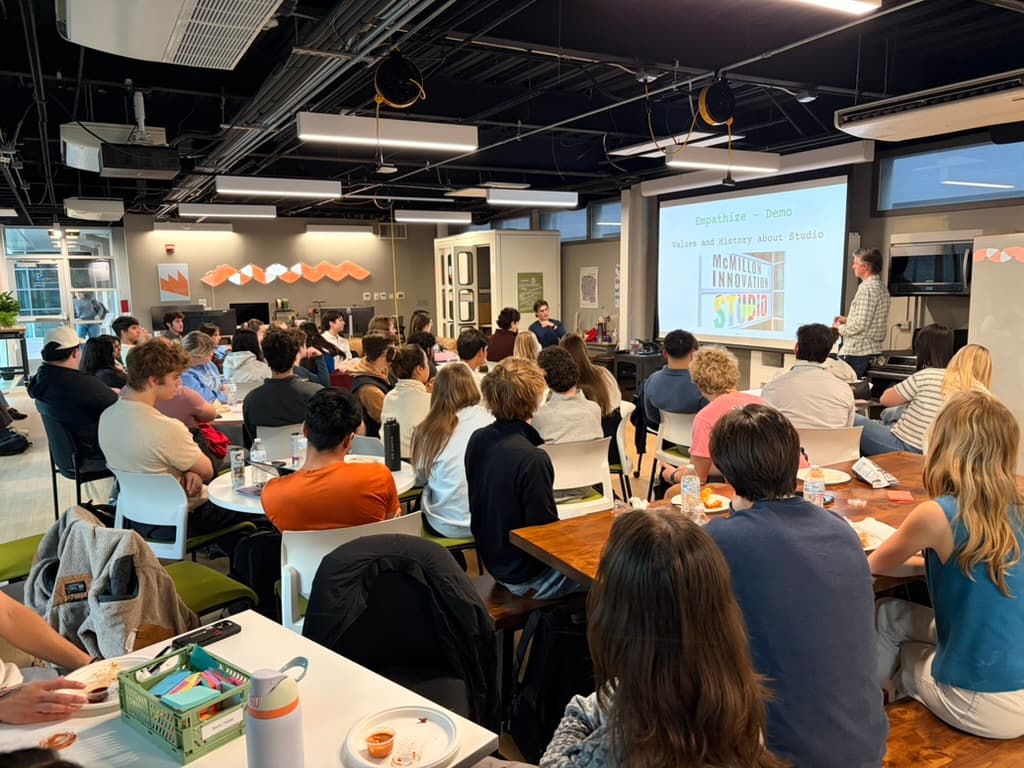
Founded in 2018 and funded by Doug McMillon (CEO of Walmart), the Studio is a cross-disciplinary space where undergrads work on real business challenges.
How it works:
- Enterprise partners (Walmart, Sam's Club, P&G, J&J, hospitals, NPOs) pose challenges as "How Might We" statements
- Student teams form: 1 leader + 3-4 members from different disciplines
- Semester-long design thinking process: Empathize → Define → Ideate → Prototype → Test
- Demo Day pitch to senior executives as judges
It's one of the few places on campus for true cross-functional collaboration — business, engineering, bio, graphic design, architecture students all working together.
What I have done
As a Project Manager (2020-2022)


Led cross-functional teams through design thinking projects, solving real problems for Fortune 500 partners:
- P&G — Retail innovation
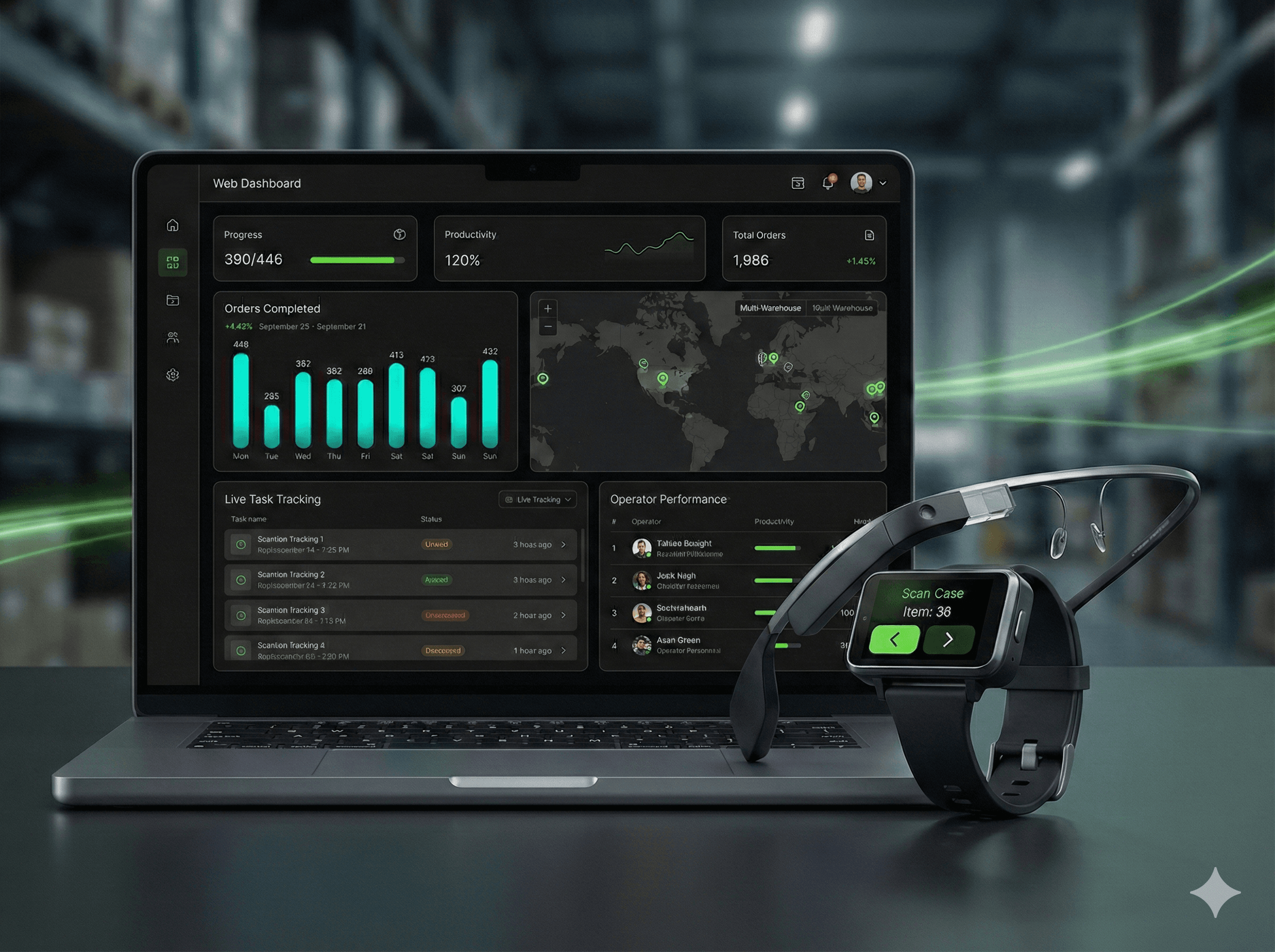
- Johnson & Johnson + Walmart — On-time delivery optimization (year-long project in conjunction with P&G)
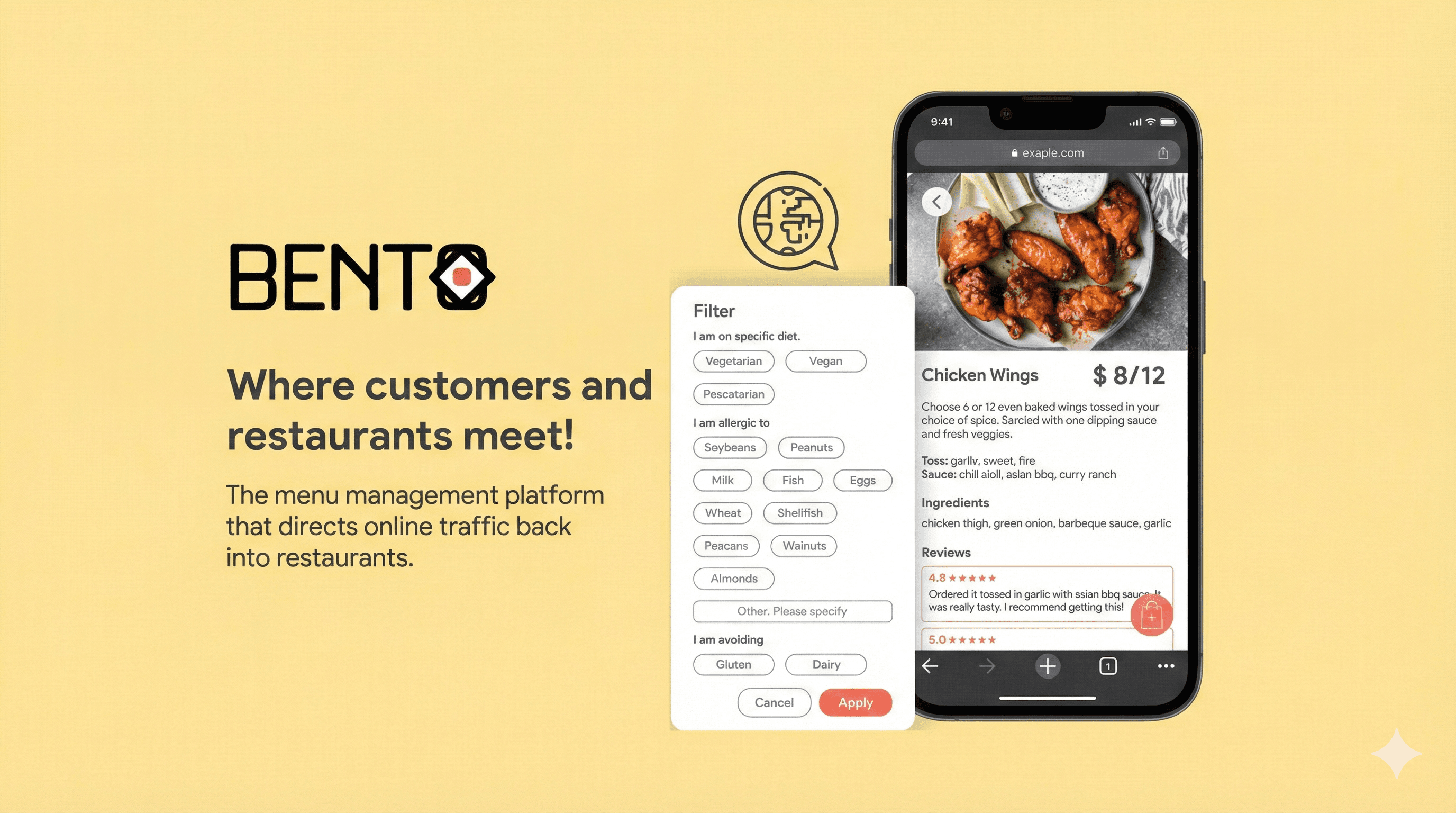
- Bento — My own entrepreneurial venture, built and pitched through the Studio
As a Graduate Assistant (2025-Present)
Came back while finishing my Master's. Last semester we didn't have a director, so the other GA and I ran everything. Still essentially operating the program.
This semester's results:
- 150 applications, ~130 showed up at kickoff — double the previous record of ~80
- 18 projects — highest ever (credit to the new director for bringing in partners)
- Revamped the ideation workshop with industry frameworks (ROST, etc.) that translate to actual PM work
What Studio taught me about building with agency
The Studio didn't just teach me design thinking frameworks - it taught me to see problems and fix them without waiting for permission.
Examples:
When I came back as a GA last semester, I noticed the ideation workshop was outdated - sticky notes and basic brainstorming. After experiencing the interactive, energetic workshops at Stanford, I could clearly see what the Studio was missing. Nobody asked me to change it, but I pitched the new director: "What if we taught students actual industry frameworks like ROST, Rose/Thorn/Bud, affinity mapping - so they're better equipped for real PM work?" We implemented it with the same interactive energy I'd seen at Stanford. Feedback from ~15 project managers: it was significantly better than previous semesters.
For Demo Day, we moved the event from a dorm space to R3Cubed - a new professional research facility. We negotiated the deal ourselves. We invited Doug McMillon (Walmart CEO and Studio founder). He showed up, did 1:1 mentoring with students, and that Demo Day led to 3 additional Walmart project partnerships the following semester.
After a Sam's Club team presented at their office (invited because their project was so strong), one exec asked: "How can I hire them?" Result: 2 more Sam's Club projects the next semester.
The gap I'm solving next:
Students use AI for slop - writing documents, summarizing research. They're missing the real opportunity: using AI to build and ship. At Demo Day, the feedback we consistently hear is "Great pitch, but it'd be more impressive if we could see a working prototype."
This semester, I'm running a workshop on using Claude Code and AI tools to prototype and ship faster. The goal: students leave with working prototypes, not just pitch decks.
What this connects to PM work:
Facilitating 18 cross-functional teams taught me how to bring people along without authority. Identifying the AI gap and building a solution taught me to stay obsessed with outcomes, not outputs. The Studio gave me space to practice high agency — delivering results and building things proactively.
Tools Used
Related Articles